Laboratorio Diffrattometria Raggi X Cristallo Singolo
 |
Responsabile scientifico Prof. Fabrizio Nestola (049 827 9160) Preposto alla sicurezza Telefono Sede Orario di apertura |
Strumentazione (file PDF)
Norme di gestione
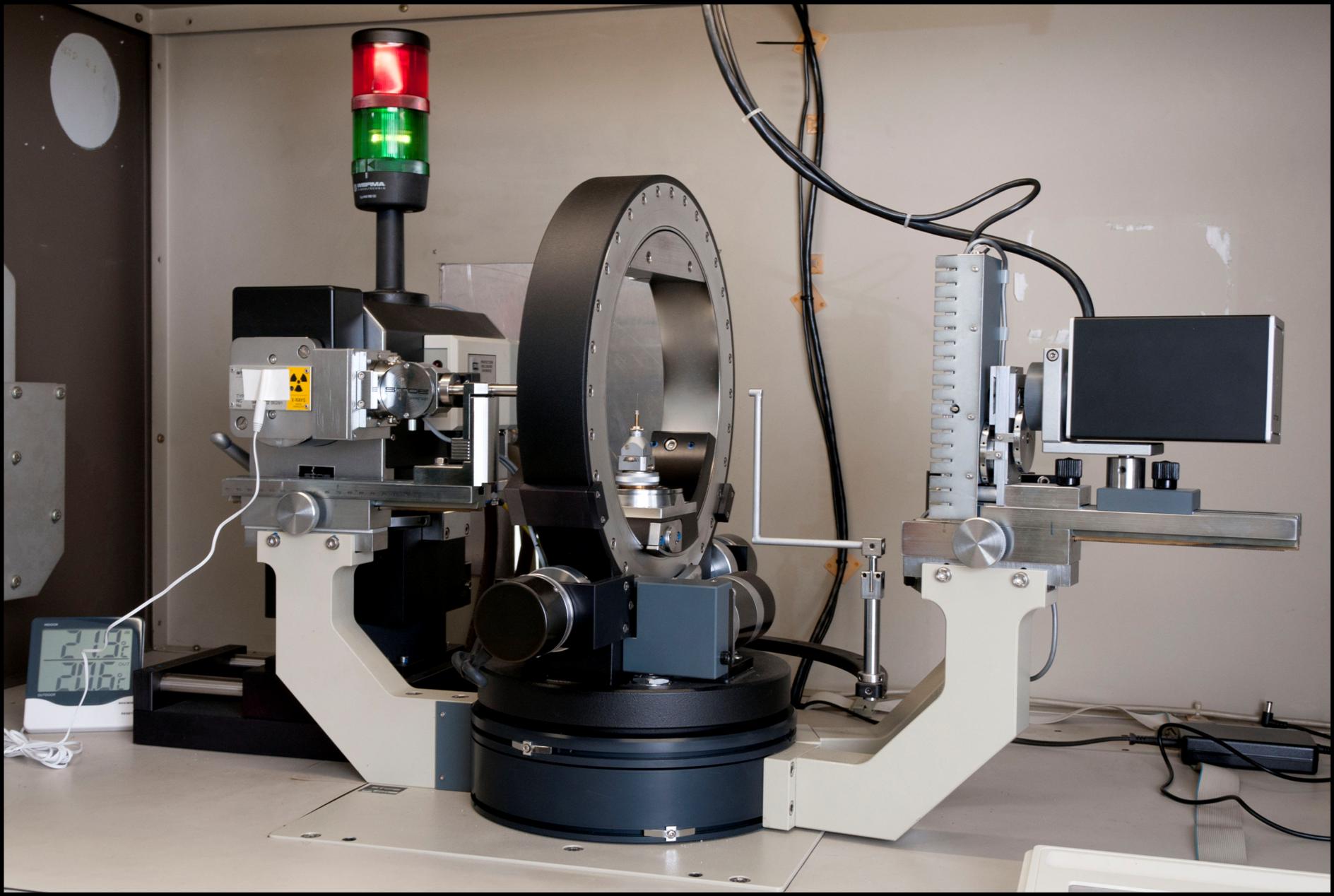
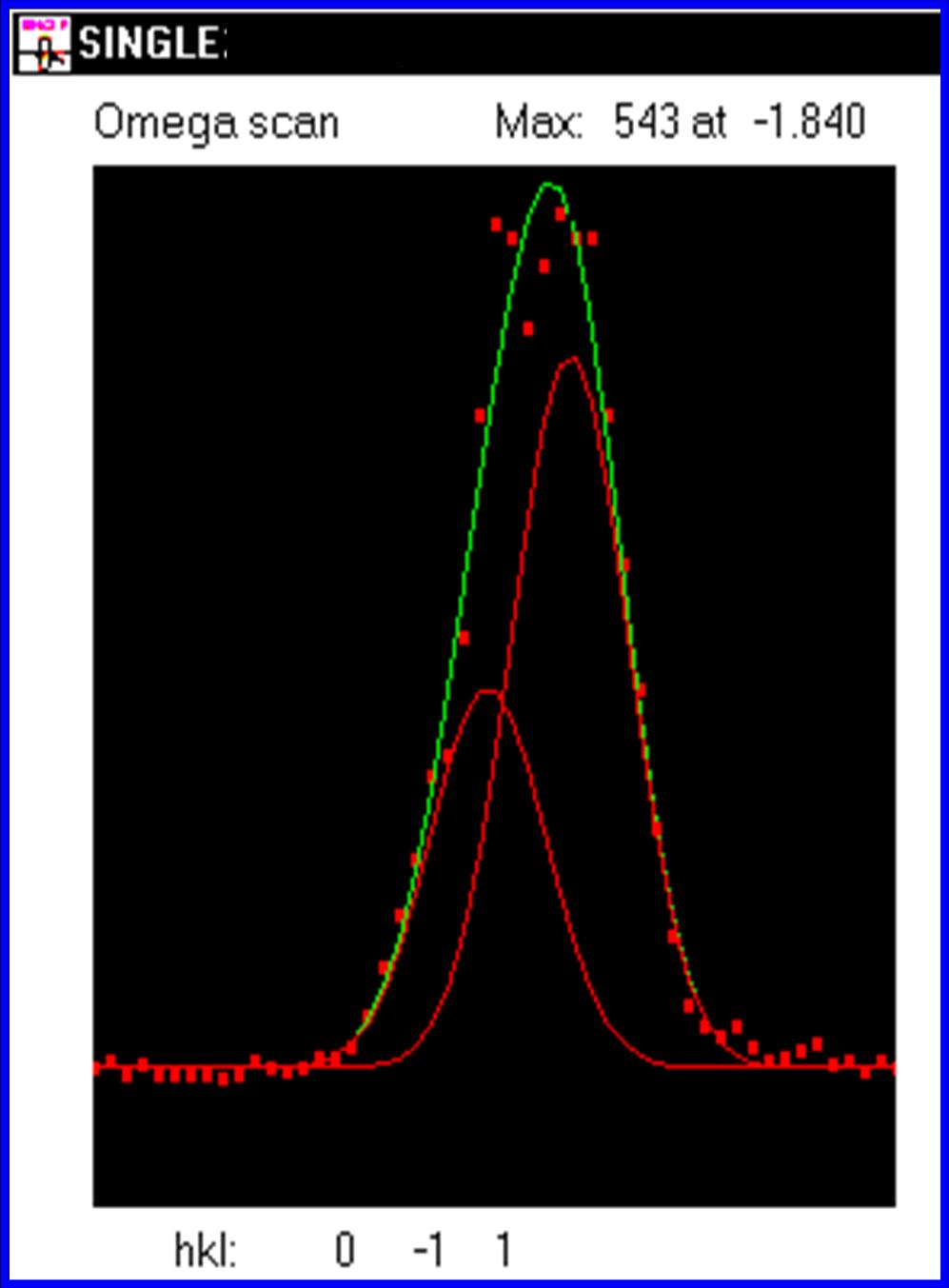
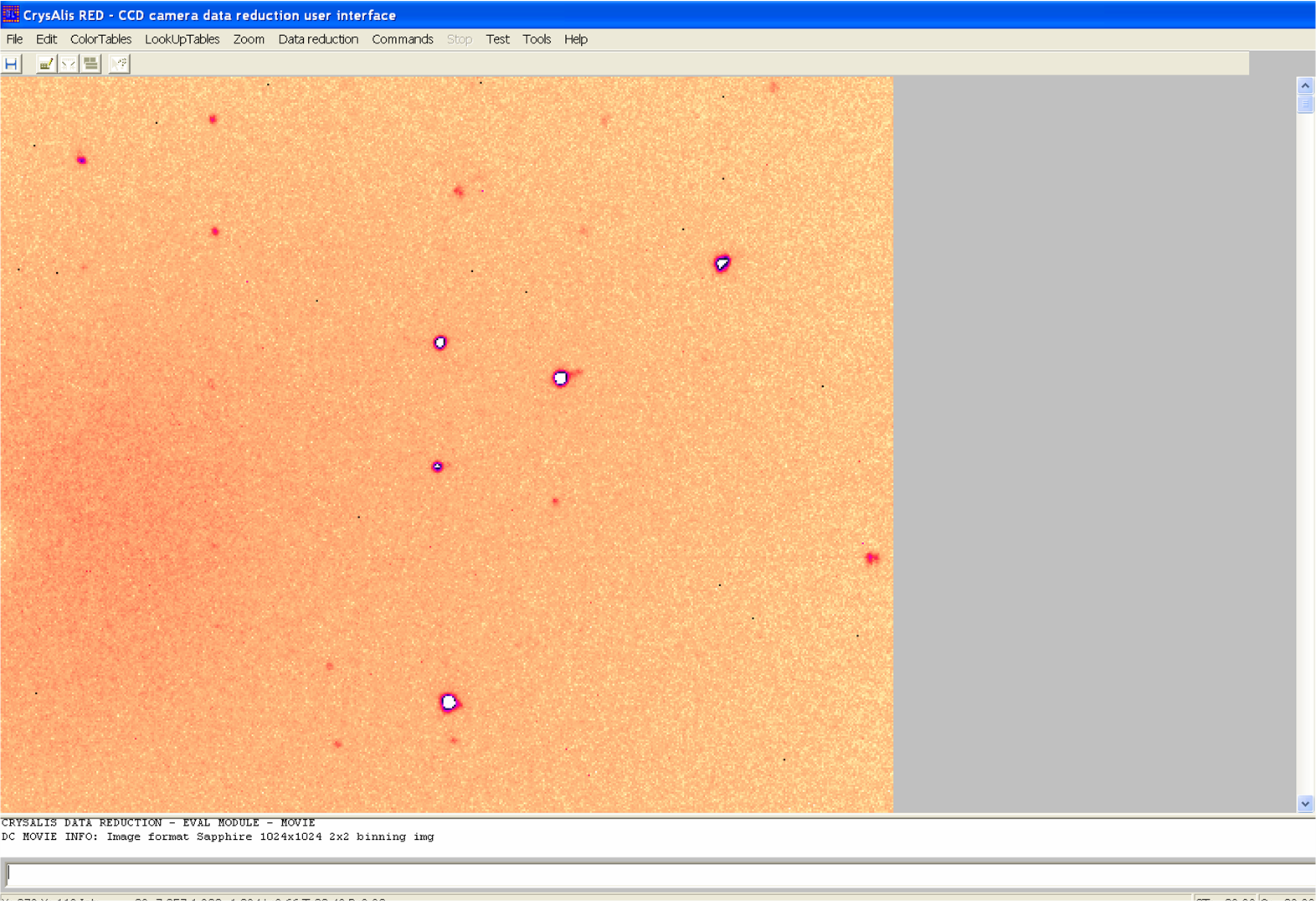
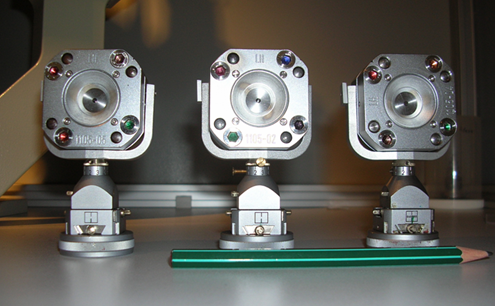
| Gli strumenti presenti nel laboratorio sono: - diffrattometro a 4 cerchi STOE STADI IV a rivelatore puntuale, operante con il software SINGLE (Angel and Finger, 2011) per misure ad elevata precisione; - diffrattometro a 4 cerchi STOE STADI IV a rivelatore areale CCD (Oxford Diffraction) per determinazioni strutturali. Il laboratorio dispone di 3 incudini di diamante tipo ETH (Zurigo), che permettono misure diffrattometriche in-situ ad altissima pressione per simulare le condizioni presenti nel mantello terrestre. Il laboratorio è coinvolto in numerose collaborazioni nazionali e internazionali riguardanti la cristallografia di base e la cristallografia in condizioni estreme di pressione. |
The instruments in the laboratory are: - STOE STADI IV 4-circle diffractometer equipped with point detector, operated with the SINGLE software (Angel and Finger, 2011) to perform high precision measurements; - STOE STADI IV 4-circle diffractometer equipped with area detector CCD detector (Oxford Diffraction) for structure determination. Three diamond anvil cells (ETH type) are available to perform in-situ high pressure measurements to reproduce in the laboratory the high-pressure conditions of the Earth’s mantle. The laboratory is involved in several national and international collaborations using crystallography at room and high-pressure conditions. |
Per saperne di più
 |
SINGLE-CRYSTAL X-RAY DIFFRACTION | ||||
|
Single-crystal X-ray diffraction is the most powerful experimental technique to determine the crystal structure of a crystalline compound. Therefore, it represents the first step to “explore” the crystalline material properties.
|
|||||
|
|||||
|
|||||
|
|||||
|
|||||
|
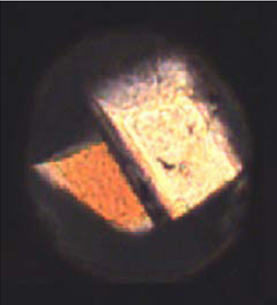
Three diamond anvil cells (DAC, ETH type) are available to perform in-situ high pressure measurements to reproduce in the laboratory the high-pressure conditions of the Earth’s mantle: |
|||||
|
|||||
|
The final result of single-crystal X-ray diffraction technique is a “real” picture of a crystalline compound at the atomic scale, even for very complex atomic arrangements and under extreme conditions of temperature and pressure.
The laboratory is involved in several national and international collaborations using crystallography at room and high-pressure conditions |
|||||
| Research fields | |||||
|
|||||
|
People
|
|||||